Viña Encierra – Visita Guiada
GUION DE VISITA GUIADA – VIÑA ENCIERRA (Duración: 45 minutos aprox.)
1. Bienvenida e Introducción (5 minutos)
Ubicación: Entrada, zona con vista a los viñedos.
Objetivo: Presentar la historia de la familia y conectar con el visitante.
“Bienvenidos a Viña Encierra, un proyecto familiar con más de un siglo de historia vitivinícola en el corazón del Valle de Colchagua…”
Narrativa:
- En 1887, Miguel Echenique Tagle y su hijo Gabriel trajeron las primeras variedades viníferas desde Francia.
- En 1947, Fernando Echenique Zegers invirtió en tecnología y construyó una bodega moderna para su tiempo.
- En 1970, la familia Eyzaguirre Echenique tomó las riendas y fundó Viña Los Vascos, con visión exportadora.
- En 1988, se unieron a Les Domaines Barons de Rothschild (Lafite).
- En 1996, vendieron Viña Los Vascos, pero mantuvieron parte de la finca y la casa principal.
- En 2000 nace ENCIERRA, con una visión de pequeña escala, enfocada en calidad, terroir y tradición.
“Vamos a recorrer juntos los espacios clave de la viña, desde el campo hasta la bodega, pasando por un lugar muy especial: la capilla familiar.”
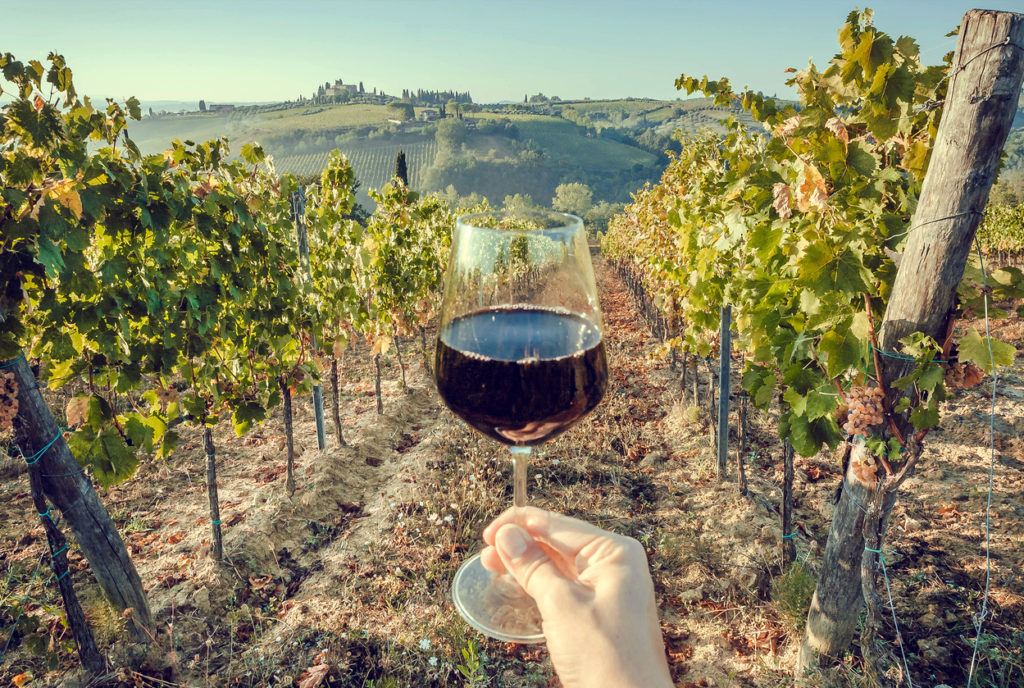
2. Recorrido por el Viñedo (15 minutos)
Ubicación: Campo/sector con vista a las plantaciones.
Objetivo: Explicar el trabajo agrícola y la selección de uvas.
Suelos
Nuestro campo cuenta con 230 hectáreas ubicadas en un sector de lomaje en la Cordillera de la Costa, una zona de suelos más antiguos que los de la Cordillera de los Andes. Esta antigüedad geológica se traduce en mayores concentraciones de minerales en el suelo, lo que influye directamente en la calidad de nuestras uvas.
Los suelos presentan una composición diversa y rica, con una mezcla de:
- Granito
- Pizarra
- Coluvial con arcilla roja
Esta combinación única aporta a nuestras uvas una expresión distintiva, que da origen a vinos con gran frutosidad, carácter mineral y una calidad excepcional que nos diferencia de otras viñas del valle.
Esta variabilidad permite que cada parcela exprese un perfil único, lo que se refleja en la complejidad de nuestros vinos.
¿Cómo influye esto en nuestros vinos?
Los suelos de Viña Encierra se traducen directamente en la personalidad de nuestros vinos:
- Riqueza aromática: gracias a la concentración de minerales y a la diversidad de suelos, obtenemos vinos con una alta expresión frutal y aromas complejos.
- Taninos elegantes y aterciopelados: la estructura del suelo permite una maduración equilibrada de la uva, dando paso a taninos suaves y redondos.
- Notas minerales: un sutil, pero presente toque mineral que refleja directamente la identidad de esta tierra.
En este campo se cultivan varias cepas de uva que, al combinarse, ofrecen una gran diversidad de aromas, sabores y estructuras a los vinos que se producen.
Cabernet Sauvignon: Vino robusto, de cuerpo completo, con taninos firmes y aromas a frutos negros y pimiento verde.
Syrah (Shiraz): Vino intenso, con cuerpo medio a completo, notas de frutas negras, especias y toques ahumados.
Carmenere: Vino suave pero potente, con aromas a frutas rojas y un toque herbáceo, a menudo con pimiento verde.
Petit Verdot: Aporta color, estructura y taninos. Vino profundo, con aromas a frutas negras y especias.
Cabernet Franc: Vino fresco, de cuerpo más ligero, con notas de frutas rojas y un toque herbáceo y especiado.
Mourvèdre: Vino intenso y estructurado, con sabores a frutos oscuros, especias y toques terrosos.
Durante el verano, la amplia diferencia de temperatura entre el día y la noche ralentiza la maduración y limita la concentración de alcohol en la fruta. Esto es muy importante, ya que permite preservar una mayor frutosidad en el vino final.
En nuestra finca se producen más de un millón de kilos de uva al año, pero solo alrededor del 8% de esa producción se destina a la vinificación. Esta estricta selección nos permite garantizar la máxima calidad en cada botella.
Para elegir las uvas que se utilizarán, se consideran diversos factores clave:
- El tipo de suelo
- La orientación del viñedo
- El año de plantación
Este último aspecto es especialmente importante, ya que la vid alcanza su madurez óptima para producir fruta de alta calidad a partir de los 7 años. Solo a partir de ese momento, la parra desarrolla todo su potencial, entregando uvas con la estructura, concentración y equilibrio necesarios para elaborar vinos de excelencia.
“Aquí, cada cuartel del viñedo fue elegido con mucho cuidado. No se planta por plantar. Se estudió el suelo, la pendiente, la luz… incluso cómo circula el aire.”
(Deja unos segundos para que los visitantes tomen fotos, hagan preguntas o simplemente contemplen el paisaje.)
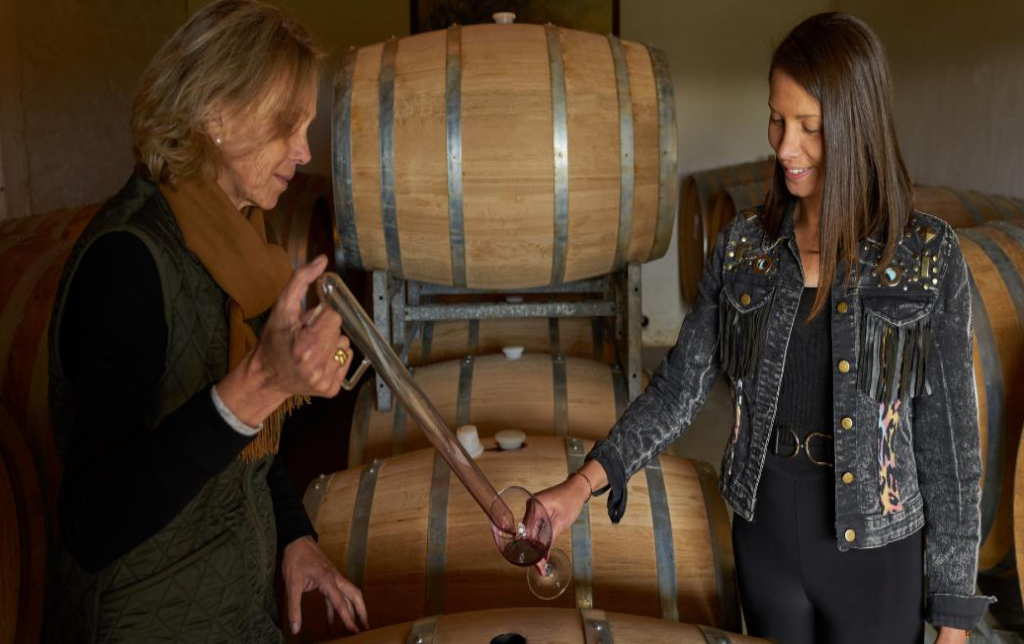
3. Bodega y Proceso de Vinificación (10 minutos)
Ubicación: Bodega de elaboración.
Objetivo: Explicar el proceso técnico con un lenguaje accesible.
Al inicio, la empresa funcionó de forma nómada, utilizando instalaciones de otras bodegas para elaborar su vino. Finalmente, en el año 2014, se logró vinificar en una bodega propia.
La bodega fue diseñada por el arquitecto argentino Alejandro Revoredo, quien se enfocó en maximizar el uso del espacio para procesar la mayor cantidad de vino posible.
Aunque los estanques son de concreto, están recubiertos con pintura epóxica.
El espacio total de la bodega es de 100 metros cuadrados, por lo que una distribución eficiente del espacio resulta fundamental.
Puntos clave:
- Fermentación: 7 a 10 días.
- Maceración post-fermentativa con orujos: 3 semanas
- Luego el vino se lleva a barricas de roble. (alrededor 1 año)
- Producción total: 40.000 a 60.000 botellas por año.
- Filosofía de baja intervención: permitir que la uva hable por sí misma.
“El proceso aquí es artesanal, pero con tecnología de primer nivel. Vinificamos solo lo mejor del campo.”
Mostrar tanques, barricas, zona de embotellado.
“¿Les interesa saber más sobre el tipo de barrica que usamos o el tiempo que pasa el vino ahí?”
(Aprovecha para interactuar, siempre funciona bien en esta parte.)
4. Capilla Familiar (8 minutos)
Ubicación: Capilla.
Objetivo: Conectar emocionalmente con la historia familiar.
“Este lugar es quizás el más importante para nosotros. Esta capilla ha acompañado a nuestra familia por generaciones…”
Narrativa:
- Se han celebrado aquí bautizos, primeras comuniones, matrimonios y funerales.
- La comunidad local siempre ha tenido acceso a este espacio.
- Ha sido cuidadosamente restaurada y preservada.
“Aquí termina la parte más técnica del recorrido, y comienza la parte más emocional. Siéntanse libres de hacer preguntas sobre la historia familiar o la capilla misma.”
5. Cierre y Preguntas + Degustación (10 min)
Ubicación: Sala de degustación o terraza.
Objetivo: Redondear el mensaje, agradecer, y abrir espacio a comentarios o compras.
“Encierra es un proyecto familiar con una gran historia detrás. Esperamos que esta visita les haya mostrado no solo cómo hacemos vino, sino también por qué lo hacemos.”
- Ofrecer 4 vinos para degustación, mientras se responde a preguntas.
- Mencionar la tienda, posibilidad de comprar botellas exclusivas o ediciones limitadas.
- Recordar que pueden calificarnos en TripAdvisor
Resumen de tiempos:
| Sección | Tiempo aprox. |
| Bienvenida e historia | 5 min |
| Viñedo | 15 min |
| Bodega | 10 min |
| Capilla | 8 min |
| Cierre + preguntas + vino | 10min |
| Total | 48 min aprox |
Guided Tour Script – Viña Encierra (Duration: Approx. 45 minutes)
1. Welcome and Introduction (5 minutes)
Location: Entrance, area with a view of the vineyards.
Objective: Introduce the family’s history and connect with the visitor.
“Welcome to Viña Encierra, a family project with over a century of winemaking history in the heart of the Colchagua Valley…”
Narrative:
- In 1887, Miguel Echenique Tagle and his son Gabriel brought the first grapevine varieties from France.
- In 1947, Fernando Echenique Zegers invested in technology and built a modern winery for its time.
- In 1970, the Eyzaguirre Echenique family took the reins and founded Viña Los Vascos, with an export-focused vision.
- In 1988, they joined forces with Les Domaines Barons de Rothschild (Lafite).
- In 1996, they sold Viña Los Vascos but retained part of the estate and the main house.
- In 2000, ENCIERRA was born, with a vision of small-scale production, focusing on quality, terroir, and tradition.
“We will explore together the key areas of the vineyard, from the fields to the winery, passing through a very special place: the family chapel.”
2. Vineyard Tour (15 minutes)
Location: Vineyard/plantation area.
Objective: Explain agricultural work and grape selection.
Soils
Our estate has 230 hectares located in a hillside area of the Coastal Mountain Range, a region with older soils than those of the Andes. This geological age results in higher mineral concentrations in the soil, directly influencing the quality of our grapes.
The soils have a diverse and rich composition, including:
- Granite
- Slate
- Colluvial with red clay
This unique combination gives our grapes a distinctive expression, resulting in wines with great fruitiness, mineral character, and exceptional quality that set us apart from other wineries in the valley.
This soil variability allows each plot to express a unique profile, reflected in the complexity of our wines.
How does this affect our wines?
The soils of Viña Encierra directly translate into the personality of our wines:
- Aromatic richness: Thanks to the mineral concentration and soil diversity, we achieve wines with high fruit expression and complex aromas.
- Elegant, velvety tannins: The soil structure allows for balanced grape maturation, giving smooth, round tannins.
- Mineral notes: A subtle, yet present mineral touch that directly reflects the identity of this land.
We cultivate several grape varieties on our estate, which, when blended, provide a great diversity of aromas, flavors, and structures in the wines we produce.
- Cabernet Sauvignon: A robust, full-bodied wine with firm tannins and aromas of black fruits and green bell pepper.
- Syrah (Shiraz): An intense wine, medium to full-bodied, with notes of black fruits, spices, and smoky hints.
- Carmenere: A soft yet powerful wine, with aromas of red fruits and an herbaceous note, often with a hint of green bell pepper.
- Petit Verdot: Adds color, structure, and tannins. A deep wine, with aromas of black fruits and spices.
- Cabernet Franc: A fresh, lighter-bodied wine with notes of red fruits and a herbaceous, spicy touch.
- Mourvèdre: An intense, structured wine with dark fruit flavors, spices, and earthy undertones.
During the summer, the wide temperature difference between day and night slows down ripening and limits the accumulation of alcohol in the fruit. This is very important, as it helps preserve greater fruitiness in the final wine.
Our estate produces over a million kilograms of grapes per year, but only about 8% of that production is used for winemaking. This strict selection ensures the highest quality in every bottle.
To select the grapes to be used, we consider various key factors:
- Soil type
- Vineyard orientation
- Planting year
The latter is especially important since the vine reaches its optimal maturity to produce high-quality fruit after 7 years. Only after this point does the vine develop its full potential, delivering grapes with the structure, concentration, and balance needed to make excellent wines.
“Here, each plot of the vineyard was chosen very carefully. We don’t plant just to plant. We studied the soil, the slope, the light… even how the air flows.”
(Leave a few seconds for visitors to take photos, ask questions, or simply enjoy the landscape.)
3. Winery and Winemaking Process (10 minutes)
Location: Winery.
Objective: Explain the technical process in accessible language.
In the beginning, the company operated nomadically, using other wineries’ facilities to produce its wine. Finally, in 2014, it was able to vinify in its own winery.
The winery was designed by Argentine architect Alejandro Revoredo, who focused on maximizing the use of space to process as much wine as possible.
Although the tanks are made of concrete, they are coated with epoxy paint.
The total space of the winery is 100 square meters, making efficient use of every area essential.
Key Points:
- Fermentation: 7 to 10 days.
- Post-fermentation maceration with pomace: 3 weeks.
- The wine is then transferred to oak barrels (about 1 year).
- Total production: 40,000 to 60,000 bottles per year.
- Low-intervention philosophy: Allow the grape to speak for itself.
“The process here is artisanal, but with state-of-the-art technology. We only vinify the best from the field.”
Show the tanks, barrels, and bottling area.
“Are you interested in learning more about the type of barrels we use or the time the wine spends in them?”
(Use this moment to interact, as this part of the tour tends to be engaging.)
4. Family Chapel (8 minutes)
Location: Chapel.
Objective: Emotionally connect with the family’s history.
“This place is perhaps the most important to us. This chapel has been a part of our family for generations…”
Narrative:
- Baptisms, First Communions, weddings, and funerals have all been celebrated here.
- The local community has always had access to this space.
- It has been carefully restored and preserved.
“This is where the more technical part of the tour ends, and the more emotional part begins. Feel free to ask questions about the family history or the chapel itself.”
5. Closing and Questions + Tasting (10 minutes)
Location: Tasting room or terrace.
Objective: Wrap up the message, express gratitude, and open space for comments or purchases.
“Encierra is a family project with a rich history behind it. We hope this tour has shown you not just how we make wine, but also why we do it.”
- Offer 4 wines for tasting while answering questions.
- Mention the shop, the possibility to purchase exclusive or limited edition bottles.
- Remind visitors they can rate us on TripAdvisor.
Time Summary:
| Section | Approx. Time |
| Welcome and History | 5 min |
| Vineyard Tour | 15 min |
| Winery | 10 min |
| Family Chapel | 8 min |
| Closing + Questions + Tasting | 10 min |
| Total | 48 min |